

This module empowers students with programming skills essential for data-driven decision-making. Grounded in Data Science & Big Data Analytics (Wiley), the course covers the full analytics lifecycle—data ingestion, exploration, processing, modeling, visualization, and presentation—using tools like Python, R, SQL, and open-source libraries.
- Teacher: Dr. Moin Hasan
- Teacher: Admin User
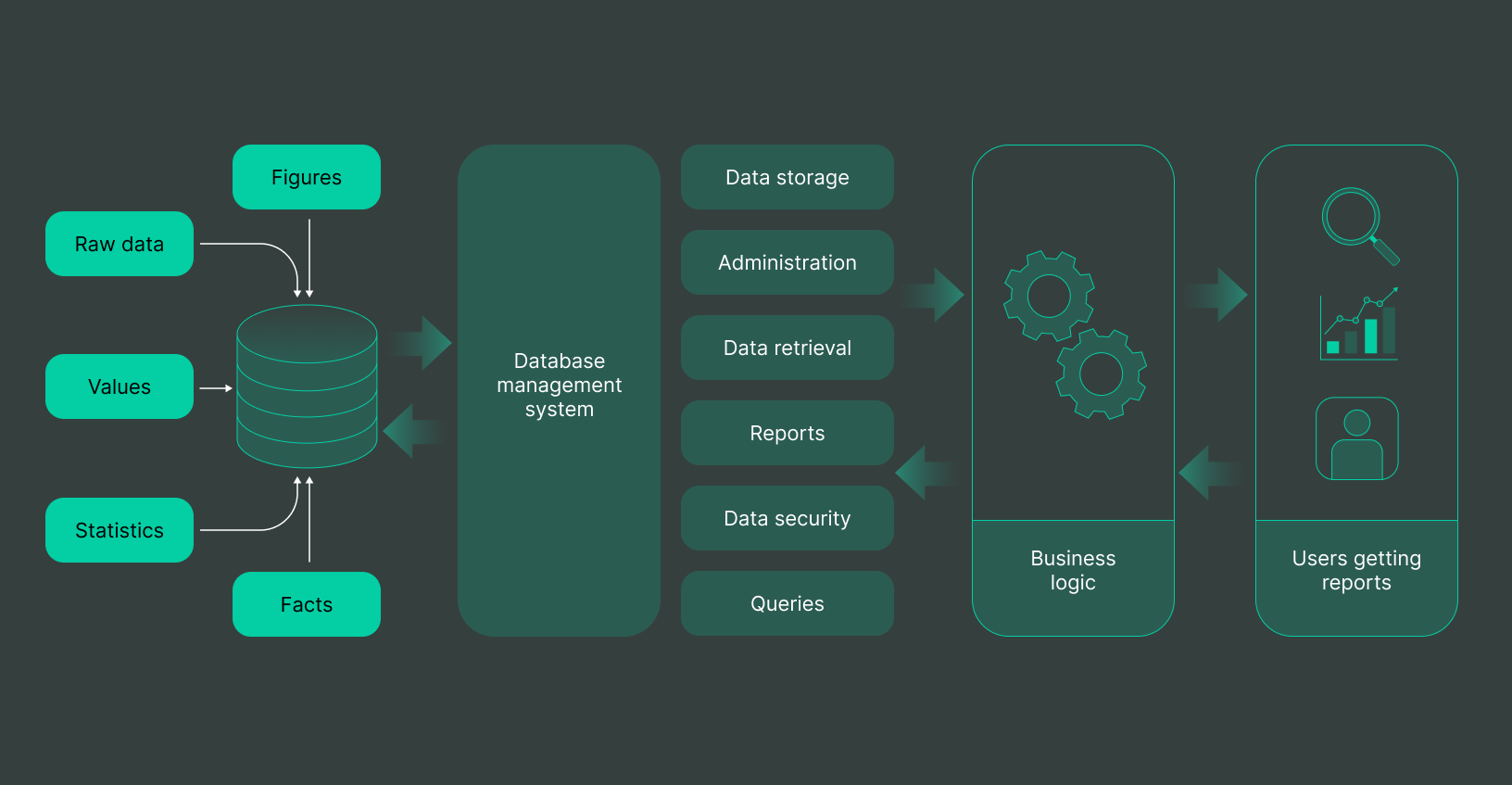
MNEL 505: Data and Database Systems introduces the design and operation of database systems for managing organizational data. The course begins with the relational data model and SQL, enabling students to design relational schemas and retrieve information from databases.
Students then examine database design principles, including normalization and functional dependency identification, to develop efficient and reliable data structures. The course also explores how database systems process and optimize queries and how indexing and storage structures influence database performance. The latter part of the course focuses on transaction processing and concurrency control, which ensure data consistency when multiple users interact with the database simultaneously. Students also examine distributed database architectures and emerging data technologies used in modern data environments.
Through practical assignments, students apply these concepts by designing relational schemas, developing SQL queries, analyzing database performance, and evaluating database systems used in organizational settings.
- Teacher: Dr. Moin Hasan
- Teacher: Admin User
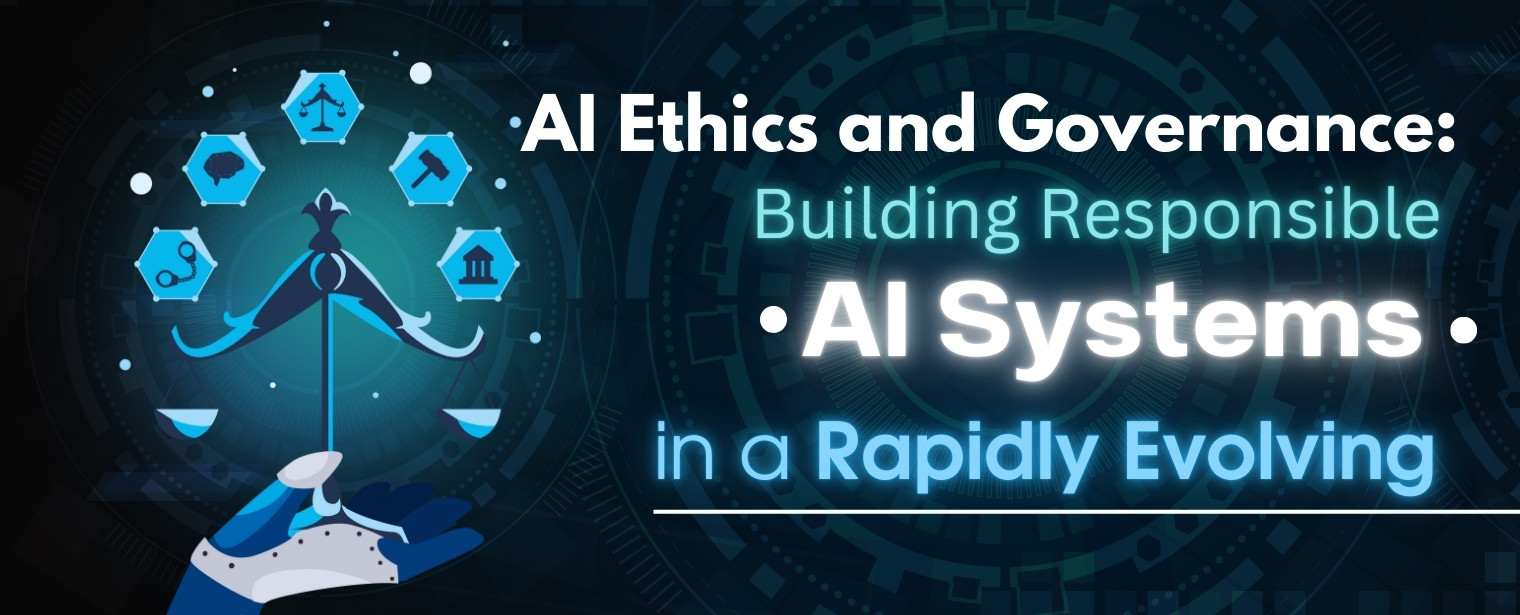
Organizations are increasingly expected to consider ethical obligations, social responsibilities, and organizational values as guides to which digital opportunities to pursue and how to pursue them. Emerging technologies, and AI in particular, challenge not only the governance of technologies themselves but also require new policies. Leaders and their Boards need to be ready to ensure that their organizations have a governance structure adapted to an environment where all parties have equal opportunities. This course is designed to explore the ethical and governance challenges arising from the rapid integration of digital technologies in various sectors of society. It looks into the ethical considerations, legal frameworks, and governance strategies essential for navigating the complex landscape of digital transformation. Students will gain a deep understanding of the ethical implications of emerging technologies, the importance of responsible data management, and the strategies to ensure ethical decision-making in the digital age.
This course is designed to provide a comprehensive understanding of the intersection of digital transformation, artificial intelligence (AI), and the critical considerations surrounding ethics and governance. Students will be equipped with the knowledge and skills needed to navigate the evolving
landscape of technology-driven change responsibly.
- Teacher: Mr Ravi Shankar
- Teacher: Admin User
- Teacher: Dr. Moin Hasan
- Teacher: Dr. Rafaela
- Teacher: Admin User
