

During this course you will receive a fundamental knowledge of the discipline of project management and some practical tools to allow a practical application of this knowledge to a wide array of projects. While the fundamentals of project management taught in this course can be applied to any industry, most of the examples,cases and assignments are based on the Information Technology sector. The field of Project Management is a formal discipline and has grown rapidly in importance in organizations worldwide. Project managers are expected to be able to develop strategies and coordinate carefully designed action plans. They must deliver projects on time and within budget, often incorporating complex, dynamic, and changing requirements. There is also a growing need for project management to meet or exceed stakeholder expectations in relation to project outcomes.
Expert project managers use proven best practice techniques and strategies to achieve outstanding results. You will explore the fundamental concepts of project management developed by the Project Management Institute(PMI® ) and included in the Project Management Body of Knowledge (PMBOK©).
- Teacher: Dr. Hassan Abolbashari
- Teacher: Dr. David
- Teacher: Admin User
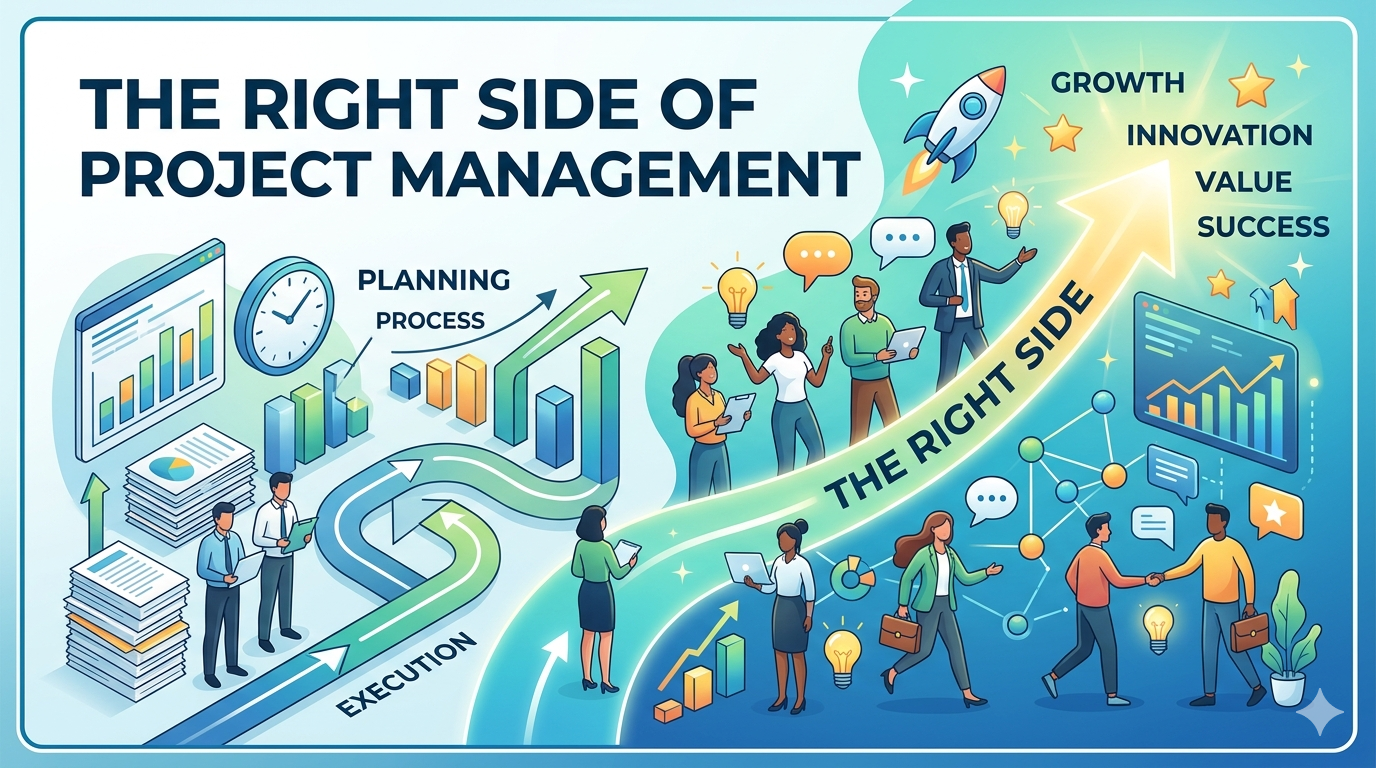
During a two-week pre-residency component, students will be exposed to the fundamentals of project management and the organizational contexts associated with project management. Students will explore areas of leadership, virtual teams, and orient themselves in a virtual environment. During the 5-day virtual residency, learners will be introduced to the key knowledge areas of project management, examine project leadership as well as corollary topics such as business requirements.
All sessions (lectures and workshops) use or reference the Project Management Institute’s (PMI) A Guide to the Project Management Body of Knowledge (PMBOK ® Guide) seventh edition as a foundation of knowledge.
Once new knowledge and skills are established, learners are given an opportunity to integrate this with their current knowledge base through class exercises and the program’s case study. Students will also be asked to integrate and apply their acquired knowledge and skills to a major case study that runs throughout the entire first residency. The last three days of the program (a face-to-face, on campus “capstone”) will have learners applying their new synthesized knowledge and skills in a competitive simulation that integrates all subsequent learning from the duration of the certificate. During the simulation learners will have the opportunity to act as the project manager, as team members, and be responsible for both team and project performance – this exercise also provides a comprehensive demonstration of student learning.
- Teacher: Dr. David
- Teacher: Admin User
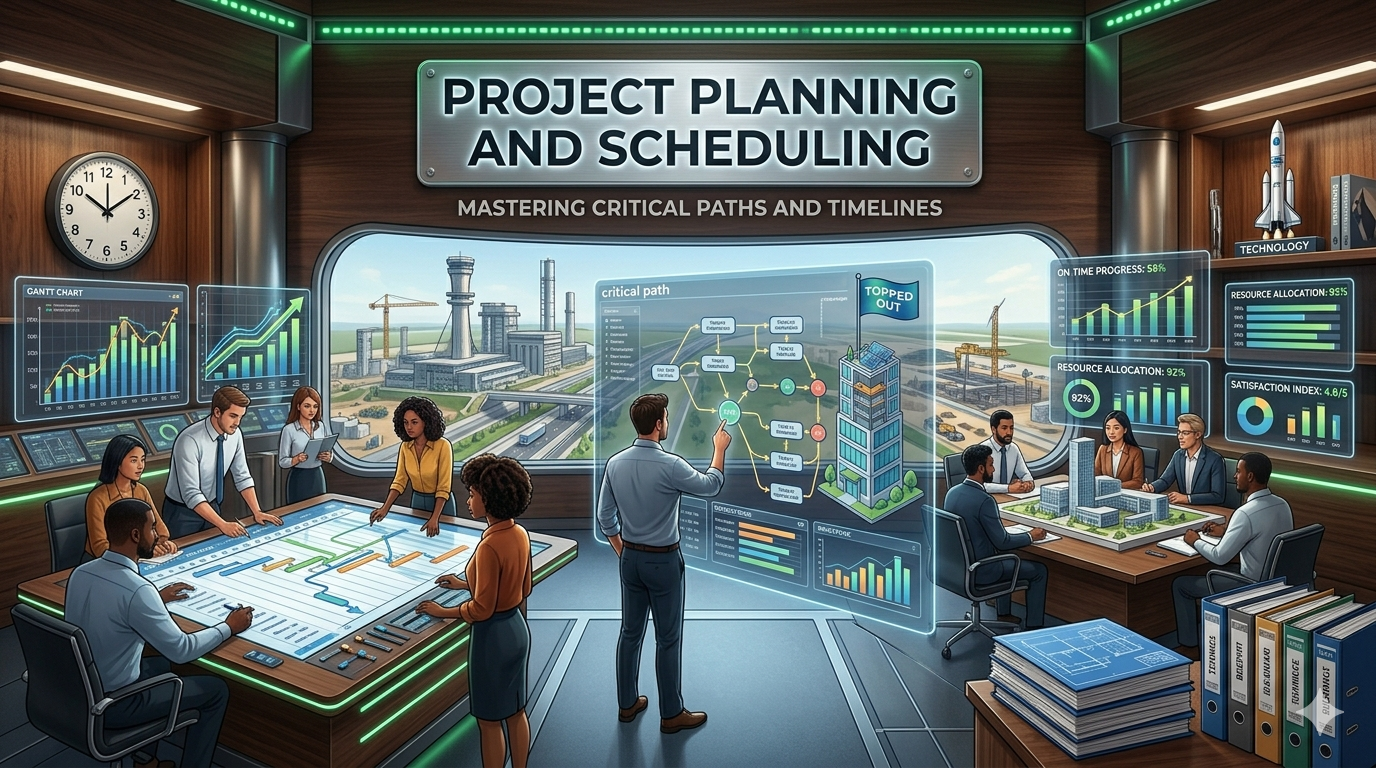
This course provides an introduction to the project management life cycle and the importance of effective portfolio management within organizations. It focuses on managing project constraints while fostering innovation, using proven tools and techniques for scheduling, controlling, estimating, forecasting, and reporting project costs. Learners will also interpret earned-value data and explore the critical role of teamwork in project success. In addition to developing core project management and analytical skills, the course strengthens virtual communication abilities through discussions, presentations, and written assignments.
- Teacher: Dr. Hassan Abolbashari
- Teacher: Admin User
